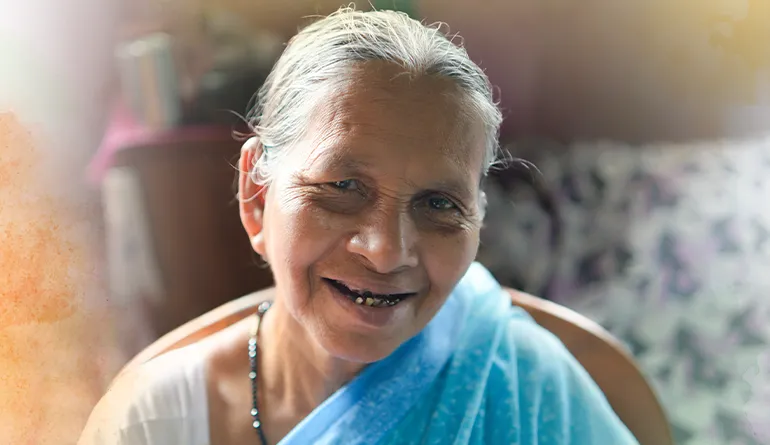




Trained to craft and sell incense sticks, they now board trains as entrepreneurs. Using tactile markers to count cash and memorized routes to navigate stations, they’ve built a loyal customer base. Their story reshapes perceptions—proving disability doesn’t define capability. A portion of profits funds skill workshops for others with visual challenges.
“We once held out empty hands; now we hold hope. Nabatara saw our strength, not our limits. Every incense stick we sell carries the fragrance of second chances.
Tactile Entrepreneurship
Putu sorts raw materials by texture, while her husband measures bundles by touch. Volunteers taught them to distinguish currency notes using raised markings. Today, they train others in tactile selling techniques, empowering them to work independently on trains.
Community Ripples
Their success inspired five other visually abled individuals to start small businesses. Local colleges invite them to speak about perseverance, while railway staff reserve spots for their daily sales, fostering inclusivity in public spaces.
Redefining Perceptions
Passengers who once avoided them now seek their incense sticks. “Their grit changed how I see ability,” shared a commuter. Media stories dubbed them “The Fragrance Entrepreneurs,” challenging stereotypes about disability and poverty.
2 lives transformed, 5 new entrepreneurs inspired. A train compartment became a classroom for dignity, and incense sticks redefined what it means to “see” success.
Fragrance of Hope
Dear supporters, your belief in Putu’s family did more than fund incense sticks—it ignited a movement. Every sale whispers that disability isn’t a barrier but a bridge to creativity. Thank you for turning pity into partnership